

The nail industry's exemption from AB5 expired on 1 January 2025. If you own a California salon and still have technicians on 1099s, you are accruing risk rather than avoiding it — here is what the employee model actually costs.

For most of the last decade, the booth-rental model was simply how a large share of American nail salons operated. The owner supplied the space, the chair and the front desk; the technician supplied their own tools, set their own hours and paid rent. Everyone filed a 1099 and moved on.
In California, that arrangement ended on 1 January 2025.
California's AB5, passed in 2019, rewrote how the state decides whether someone is an employee or an independent contractor. It applies the "ABC test": a worker is presumed to be an employee unless the hiring business can prove all three of the following — that the worker is free from the company's control, that the work sits outside the company's usual business, and that the worker is independently established in that trade.
The middle prong is the one that catches nail salons. A manicurist working inside a nail salon is doing the salon's usual business by definition. There is no way to argue otherwise.
The nail industry received a temporary carve-out that let booth rental continue while the sector adjusted. That carve-out expired at the start of 2025. Licensed manicurists in California are now generally treated as employees.
If you own a California salon and you still have technicians on 1099s, you are not looking at a paperwork change. You are looking at a different cost structure:
The exposure is not only forward-looking. Misclassification claims can reach back over prior periods, and they can arrive either from a state agency or from a former technician's private claim. A salon that quietly kept the old model through 2025 has been accruing risk the whole time, not avoiding it.
It would be a mistake to read California as the national rule — and an equally large mistake to assume your state permits booth rental just because it is not California.
Booth rental is not permitted in salons in several states, reportedly including New York, Pennsylvania, New Jersey, Michigan, Colorado and Virginia. In those states the model was never available, regardless of what the paperwork said.
Other states, including Texas and Florida, do permit it — but permission is conditional. They apply some version of a right-to-control test. A genuine booth renter sets their own schedule, sets their own prices, keeps their own clients, buys their own supplies and carries their own insurance. A "booth renter" who works the hours you set, charges the prices you set and takes the clients you assign is an employee with a misleading contract, and a labour investigator will read it that way.

3-free, 7-free, 10-free — nobody in the United States audits those claims before they reach the bottle. Testing has found toluene in products labelled toluene-free. Here is what to ask suppliers instead.
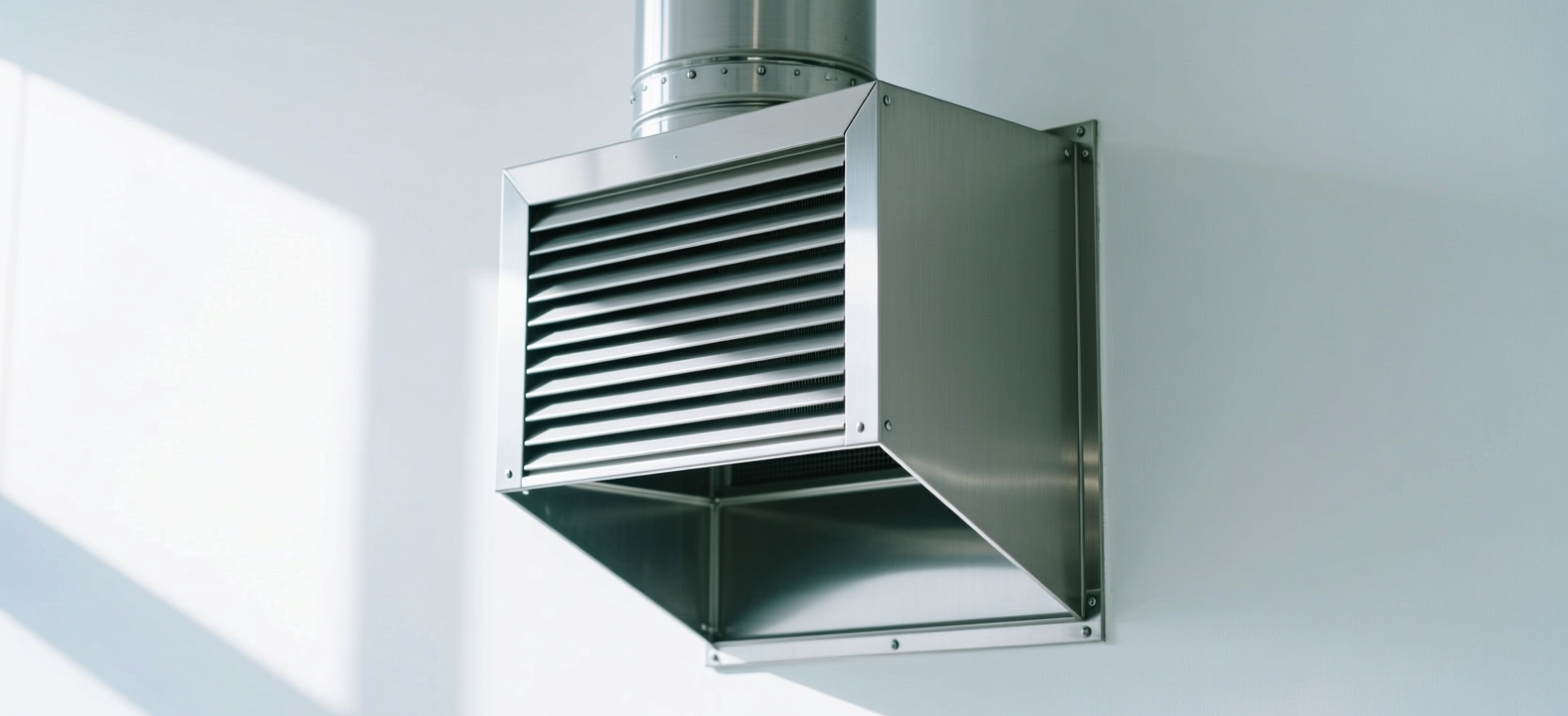
Most owners look up OSHA exposure limits and conclude they are compliant. The rule that governs your build-out is in the mechanical code — 50 CFM per station, and the inlet within 12 inches of where the chemicals go.
None of this makes the employee model worse than booth rental. Plenty of owners find scheduling easier and service quality more consistent once the team is actually a team. But it is a different business, and it needs to be costed as one.
Sources: California AB5 and the manicurist exemption — CalMatters · NAILS Magazine on the booth-rental change · Professional Beauty Federation of California
This article is general information, not legal advice. Employment classification turns on the specific facts of your salon — talk to an employment lawyer in your state before restructuring.